Lifeguard WWII Stories: Jack Hamlin and the Spirit of Service at Normandy
“Be nothing, but just be a lifeguard. We were not there to destroy anybody, to kill anybody. We were there just to do rescue operations…”
—Jack Hamlin, WWII Lifeguard and U.S. Coast Guard rescue swimmer during D‑Day United Service Organizations
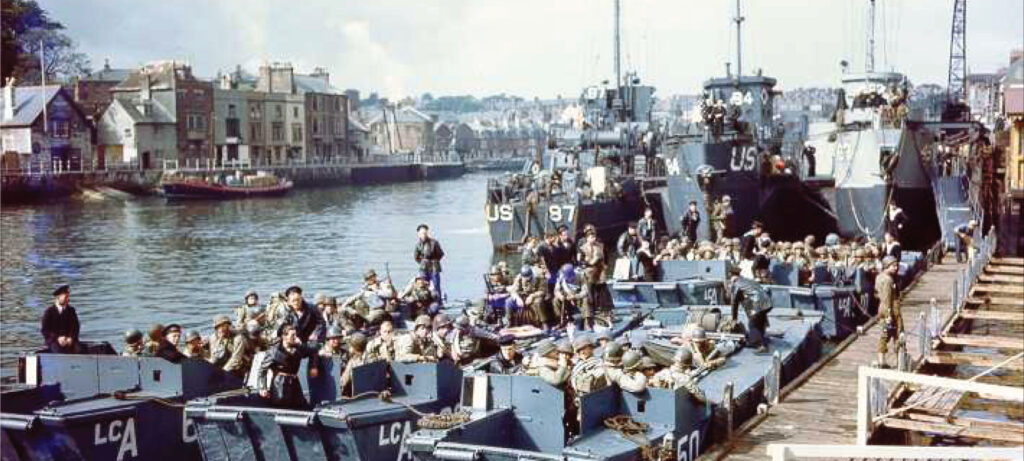
That’s what Jack Hamlin and the men of Rescue Flotilla One, nicknamed the “Matchbox Fleet” for their wooden, gasoline-powered Coast Guard cutters, heard before crossing the Channel, sailing alongside the landing barges toward Omaha.
Within minutes of arrival, chaos exploded around them. Nazi artillery pumped. Shells rained down from above. Thousands of rounds traced across the beach and ocean. Soldiers floundered in the frigid waves, either too wounded to swim or unable to move in their waterlogged gear. Hundreds of sitting ducks. Donning fins and secured by only a rope around his waist, Jack dove into the water, retrieving as many of the drowning men as he could. Even as the invasion raged on, Jack and the other rescue swimmers on his cutter, managed to save more than 170 men.
WWII Lifeguards Called to Duty
Across the United States, lifeguards swapped their red shorts for military fatigues, and joined Coast Guard and Navy beach patrol units. As the country faced threats from German submarines and potential coastal invasions, skilled watermen were urgently needed to monitor beaches for the enemy.
They walked beaches at dawn, radioing sightings. Some rode horseback or drove jeeps. Others launched rescue craft to retrieve pilots from icy seas or respond to shipwrecks.
Women Supporting Coastal Defense
Most of these wartime watermen were men, but in a few towns, women with ocean experience supported the coastal defense. They staffed observation posts, trained volunteers in first aid, and helped manage shoreline communications. Everyone did their part to ensure national readiness at home.
A Heroic Lifeguarding Legacy Overlooked
Unlike infantry or aviators, these lifeguards‑turned‑patrolmen didn’t make it into headlines or war films. There were no parades for them, nor memorials on battlefields. But on more than 3,700 miles of U.S. coastline, their presence mattered. Their service was critical to homeland security.
WWII Lifeguarding Service That Echoes Today
Jack Hamlin’s reminder endures: they weren’t fighters, they were rescuers. That spirit lives on in lifeguards and the Coast Guard today, whether guarding a beach, training rescue divers, or responding to emergencies offshore.
Each time someone suits up, they’re stepping into a longer story. A legacy not built on combat, but on the altruistic abandon necessary to dive into danger to save another human being.
Gear up with our professional‑grade rescue gear →