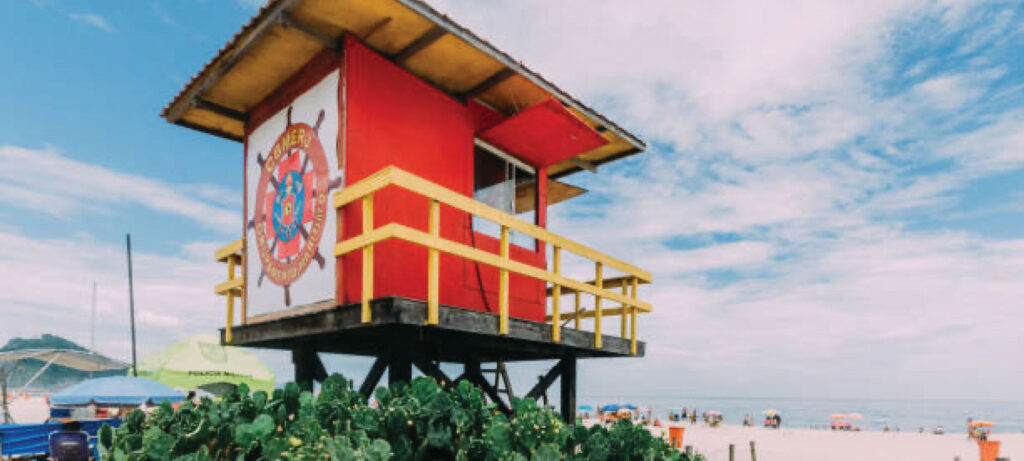
On Duty At The Busiest Beach In The World: Lifeguarding Copacabana
Every day, tens of thousands of people descend on the sun-drenched sands of Copacabana Beach, Rio de Janeiro. Stretching for about 2.5 miles along Brazil’s Atlantic coast, it's the Busiest Beach In The World. There, swimmers, surfers, soccer players, street vendors, and families collide in a colorful, chaotic carimbo beneath a blazing sun.
And keeping everyone safe? Copacabana’s elite team of lifeguards.
What It Takes to Guard the Busiest Beach in the World
On an average weekend, over 150,000 beachgoers will descend on Copacabana. As you might imagine, lifeguarding on the beach is a full-scale public safety operation, patrolling on foot, jet ski, and even drone.
These lifeguards respond to hundreds of emergencies each day, ranging from rip current rescues and jellyfish stings to lost children and heatstroke. And during major holidays like New Year’s Eve, those risks multiply.
“There’s plenty of alcohol consumption and people are full of food, then they go into the water and pass out,” said Fernando Santos, commander of Rio’s lifeguards.
Becoming a lifeguard on Copacabana isn’t easy. Applicants undergo intensive lifeguard training through Rio’s Fire Department (Corpo de Bombeiros), including ocean rescue, CPR, first aid, and endurance swimming in heavy surf. They must also learn to communicate across languages, as Rio draws tourists from around the world.
Rescues are often high-stakes. Sudden drop-offs and strong Atlantic currents surprise swimmers daily.
“We pull out dozens of people before lunchtime,” one lifeguard reported during Carnival weekend.
That volume makes lifeguard fitness, rescue techniques, and gear mission critical.
Rescue Gear Used at the Busiest Beach in the World
Standard lifeguard rescue equipment like rescue cans and torpedo buoys are in constant use. But Copacabana lifeguards also rely on jet skis and specialized fins to battle the surf. Communication tools include two-way radios and lookout towers spaced every 100 meters. Mobile medical tents stand ready to stabilize patients before ambulances arrive.
Uniforms vary by season, but most guards wear high-visibility red and yellow swimwear with rescue belts and hydration packs.
The Beach That Never Sleeps
Copacabana never slows down. Evening soccer games, late-night swimmers, and early morning joggers keep lifeguards busy around the clock. Even on regular weekends, off-duty time is rare. A single whistle will send every guard sprinting, no matter where they are, because on the busiest beach in the world, every second counts.

Watermen Lifeguard Apparel & Equipment
1-800-414-3181